
David's Blog
- Enjoy the journey -
Confronted by an armed robber at a West Virginia gas station, a quick-thinking clerk used clever diversion tactics to escape unharmed.
Monday, November 09, 2026
-

When a violent confrontation erupts in a quiet neighborhood convenience store, every second counts toward survival. Employees working late shifts often face immense unpredictability, where adherence to instinct and situational awareness can mean the difference between tragedy and survival. In high-stakes criminal encounters, physical combat is rarely the safest initial option, forcing individuals to rely on psychological redirection, verbal control, and environmental awareness to create a window for escape.
The terrifying reality of armed robbery requires workers and everyday citizens alike to understand how criminal dynamics operate under pressure. Assailants entering a retail environment with a firearm are typically fueled by adrenaline, panic, or desperation, making their behavior volatile and unpredictable. Recognizing these behavioral patterns allows a targeted individual to identify psychological openings, manipulate the attacker's focus, and secure a safe exit route before violence escalates further.
Incident Date: May 1, 2026 | Location: Lincoln County, West Virginia
What Happened
On May 1, 2026, an armed woman entered a Shell convenience store situated on Little Coal River Road in Lincoln County, West Virginia, demanding cash at gunpoint. The store clerk faced an immediate, life-threatening crisis as the assailant brandished a firearm and demanded compliance. Rather than freezing or panicking under the immense pressure of the muzzle, the clerk maintained extraordinary composure and instantly assessed the assailant's state of mind.
Recognizing the immediate danger, the clerk deployed rapid conversational diversion tactics to disrupt the robber's focus. By projecting calm authority and engaging the suspect in dialogue, the clerk successfully convinced the armed intruder that the store owner was currently in the back room. This psychological redirection capitalized on the assailant's greed and suspicion, momentarily diverting her attention away from the cash register and toward an imaginary target deeper inside the building.
While the suspect proceeded to investigate the false claim and fired a single gunshot into the wall, the clerk seized the critical window of opportunity to sprint out of the store to safety and immediately contact 911. Law enforcement troopers swiftly responded to the emergency, initiating an investigation that led to tracking down and arresting the suspect, who now faces multiple felony charges for the armed confrontation.
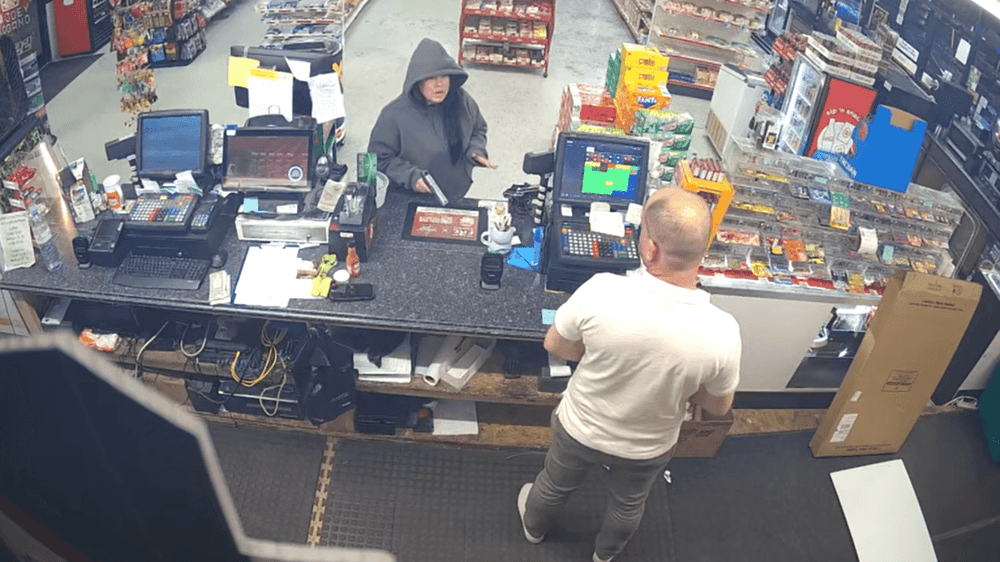
Surveillance footage captured the convenience store confrontation in Lincoln County, West Virginia.
Mastering Conversational Diversion Under Firearms
When confronted by an armed assailant, verbal redirection can alter the trajectory of a lethal encounter. Criminals operating on adrenaline expect victims to cower, freeze, or comply instantly, meaning unexpected verbal feedback can create cognitive dissonance. By speaking in a calm, steady tone and introducing alternative focal points, a potential victim disrupts the attacker's decision loop and buys precious seconds for tactical planning.
Implementing deceptive claims, such as indicating that another person is approaching or that valuables are stored elsewhere, must be executed with absolute conviction. The delivery must sound entirely plausible to prevent immediate suspicion, turning the assailant's focus away from the victim and toward a perceived secondary objective. This mental misdirection shifts the power dynamic from total subjugation to tactical negotiation.

Capitalizing on Environmental Escapes and Exit Routes
Every commercial workspace or public environment possesses hidden physical advantages that can be leveraged during an emergency. Prioritizing environmental awareness means constantly mapping out secondary exits, blind spots, and physical barriers that can obstruct an attacker's line of sight. When an armed intruder becomes momentarily distracted or investigates a diversion, immediate physical displacement is essential.
Hesitation during an escape window often proves fatal in violent confrontations. Once an opening is secured, individuals must commit fully to fleeing the kill zone rather than lingering to assess further risks or salvage property. Personal safety supersedes all material goods, and reaching a secure location to initiate emergency response protocols remains the highest priority.
Psychological Composure and Adrenaline Management
Surviving a violent crime relies heavily on managing physiological stress responses when adrenaline floods the nervous system. Tunnel vision, auditory exclusion, and motor skill degradation are common biological reactions to extreme fear, requiring deliberate mental conditioning to overcome. Maintaining controlled breathing helps mitigate panic, enabling clearer cognitive function during critical moments.
Post-incident psychological recovery is equally vital for individuals who experience armed encounters. The physiological aftermath of survival stress can linger for weeks, making structured debriefing, professional support, and mental resilience training crucial components of personal security education. Preparedness extends beyond physical tactics into emotional and mental endurance.
“Preparation is not about predicting every danger. It is about noticing the moment when a situation changes, making a clear decision, and moving toward safety.”
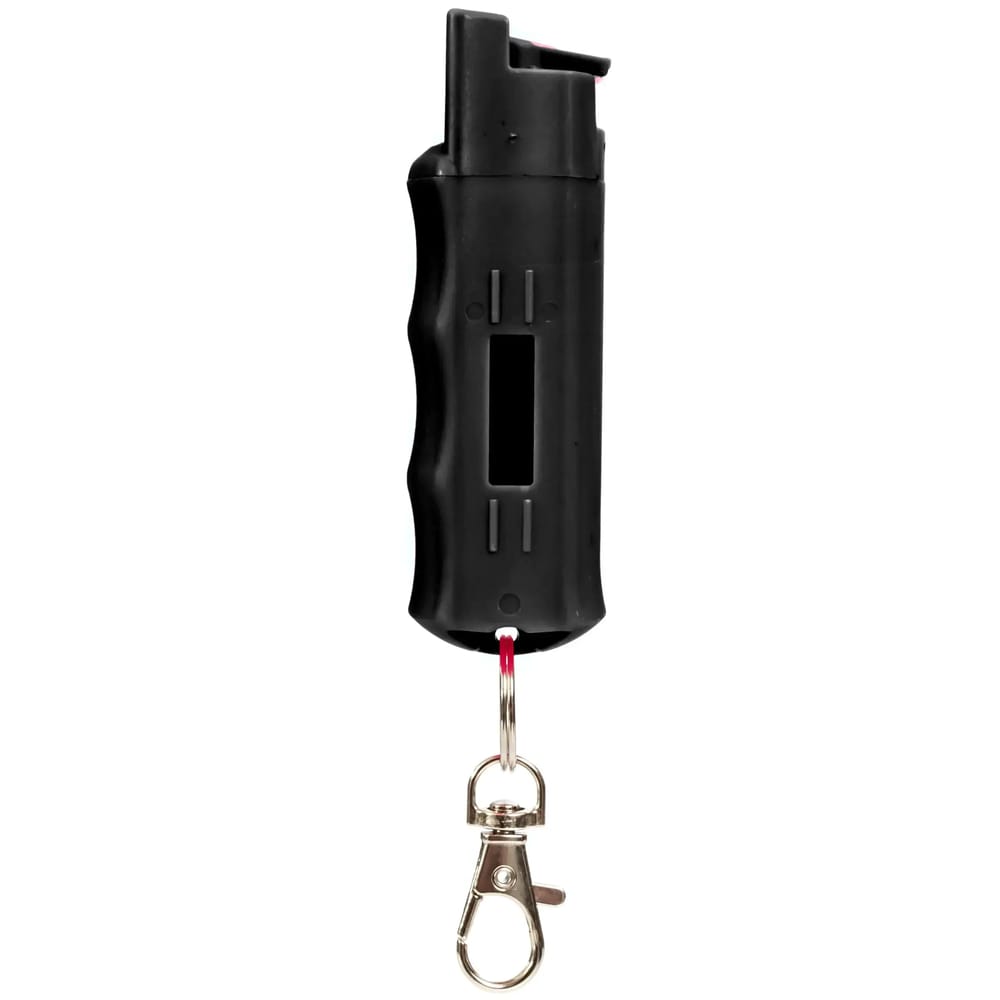
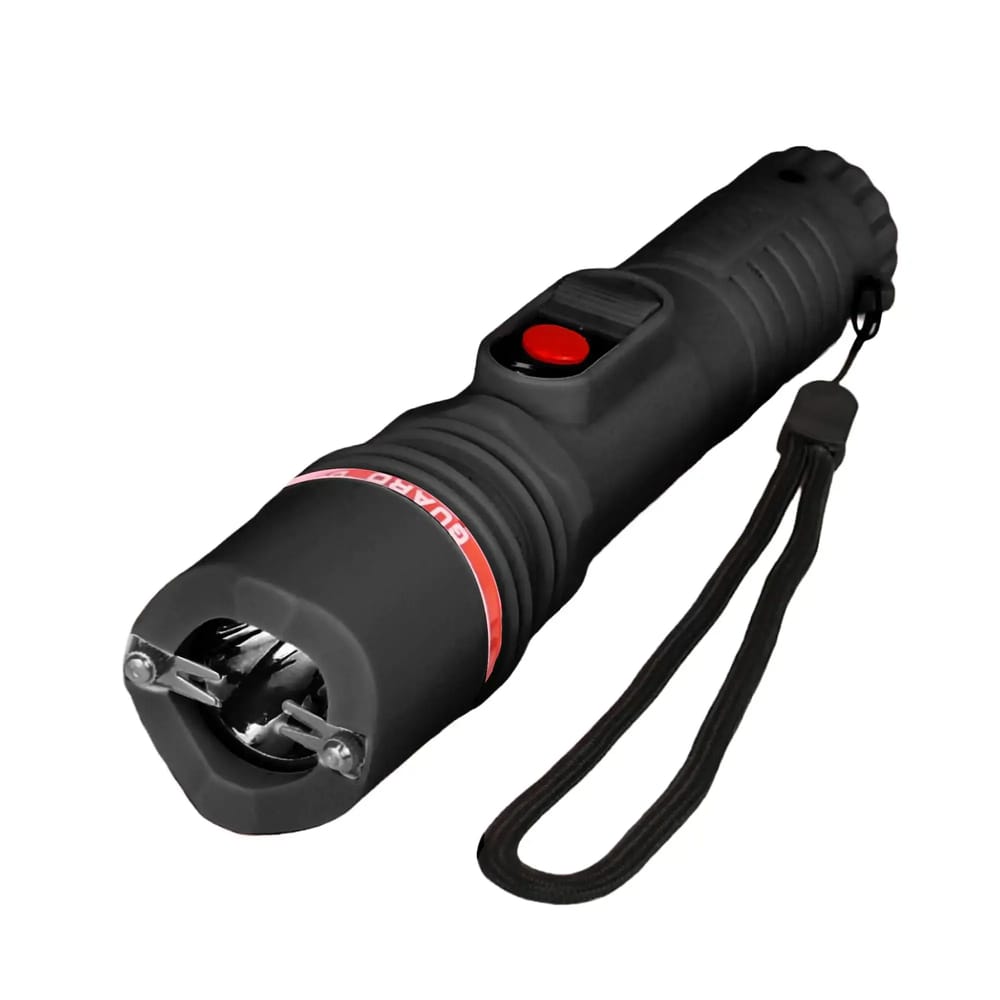
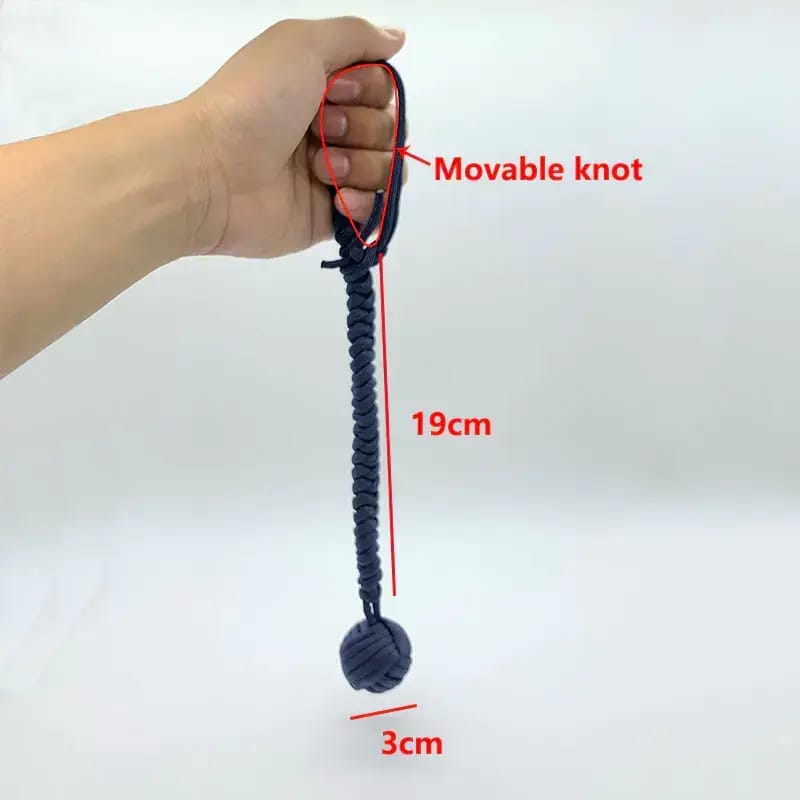
Need some gear to be prepared?
Take a look at Our Top recommended Self Defense Products:
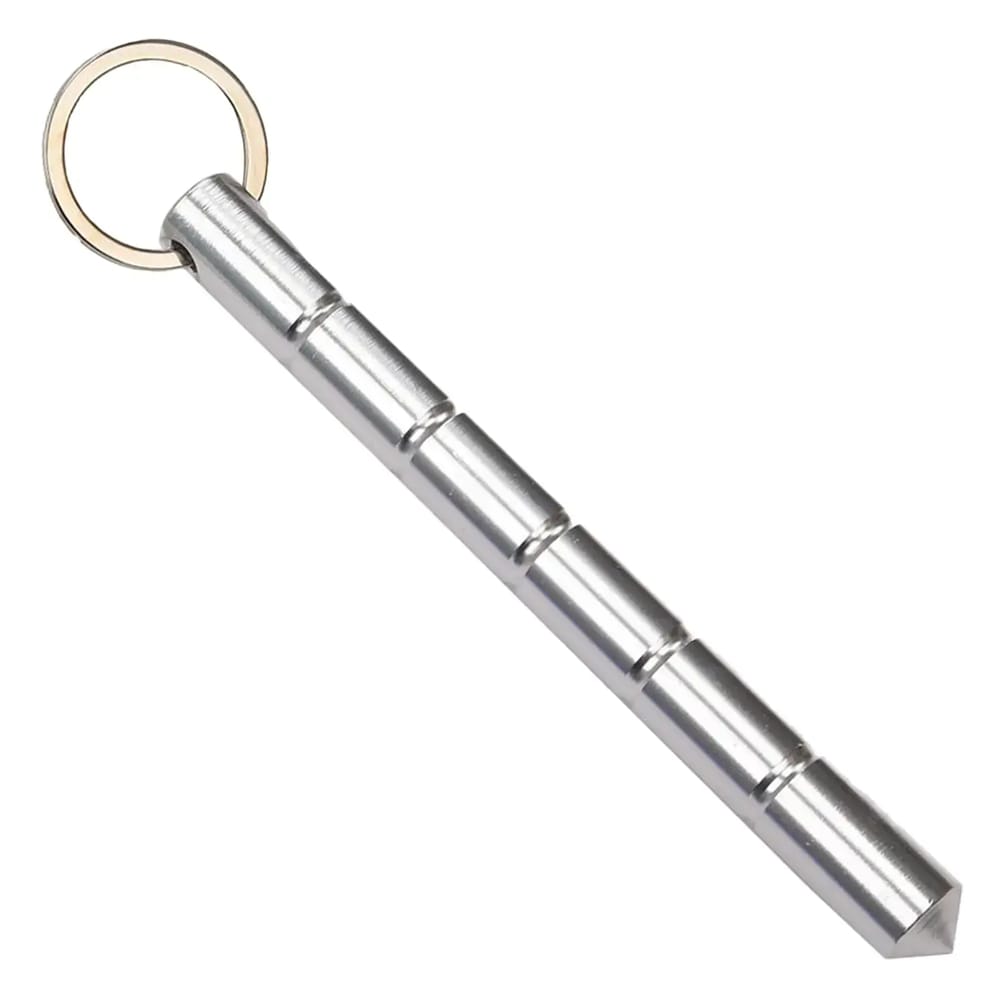
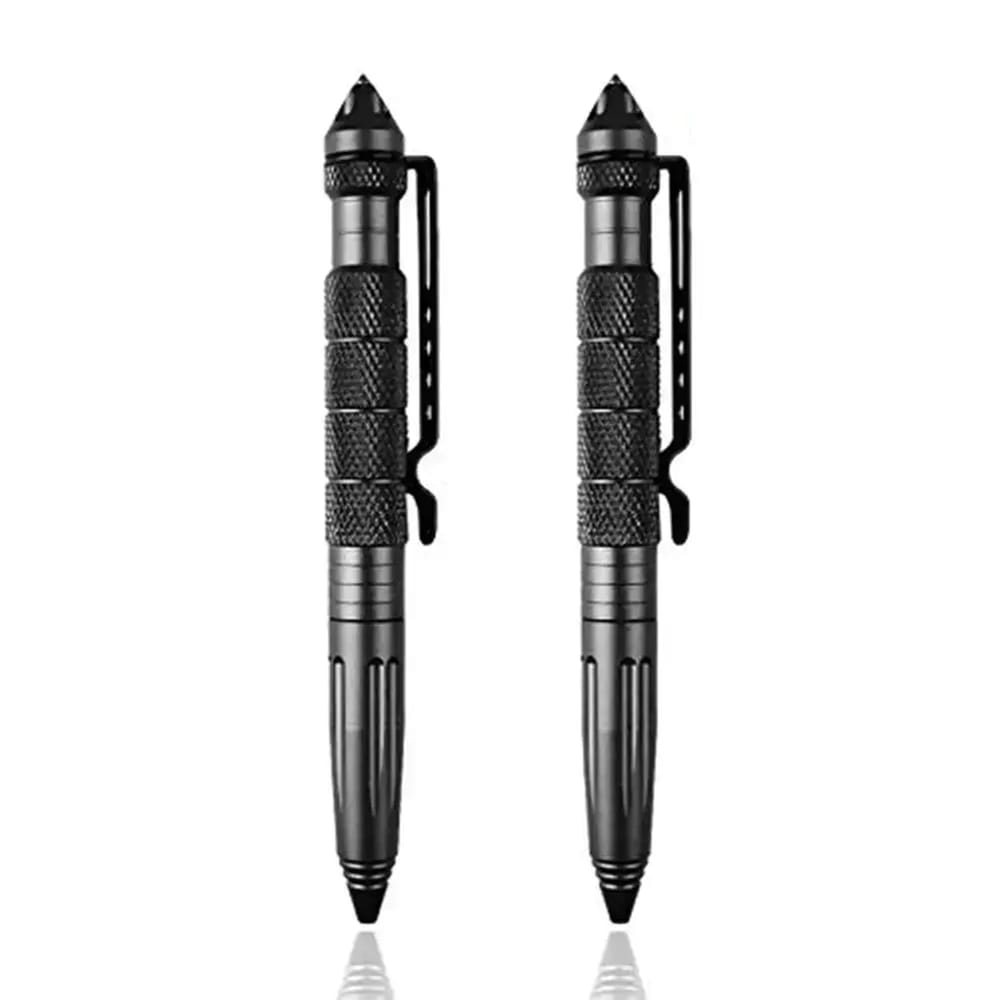

Build Skills You Can Trust
Build simple, repeatable skills that help you protect yourself, create space, and make a safer next move under pressure.
Not ready to commit yet? Start with the free guide.

Ready to stop consuming information and start building a real online skill?
Join this free 5-day challenge to learn how funnels and AI can help beginners create opportunities, get their first customers, and work toward their first $1,000 online.
No product or big audience required.
Click here to claim your free seat.

------------ My ClickFunnels Funnel Builder Certifications ------------